

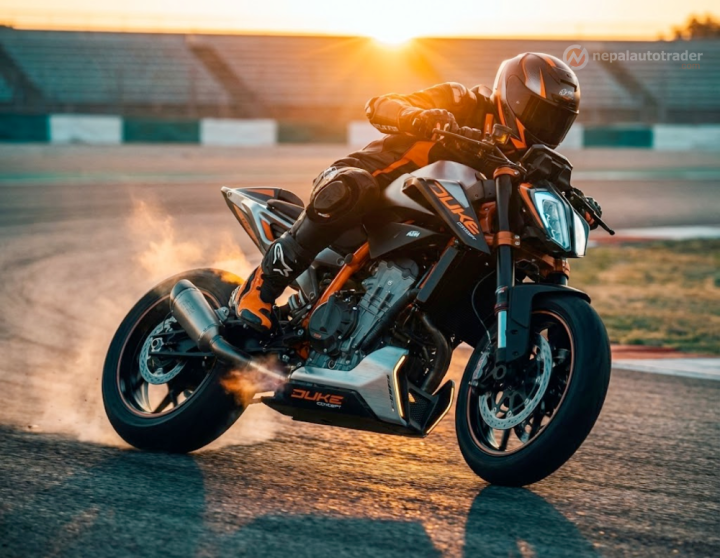
Bajaj‑KTM has quietly confirmed that a brand‑new engine is under development, and it isn’t a tweak of the old single‑cylinder block. The project is a clean‑sheet third‑generation powerplant for the sub‑500cc segment, built entirely in India. It will be a parallel‑twin, likely under 500 cc, and will be the first KTM engine to emerge from Bajaj’s R&D halls rather than a European design office. That matters because it puts Indian engineering at the heart of KTM’s global roadmap.
The move also severs the link to the European‑spotted RC 490 test mule, which uses a CFMoto‑derived 450 cc twin. Those European prototypes belong to a separate project aimed at a larger 790 cc platform for the aging 690 range. In short, the Indian twin is its own beast, not a copy of a spy‑shot.
For years KTM avoided twins in the 400‑500 class, citing price pressure on the Indian market. The logic was simple: a twin would push the bike beyond the sweet spot of affordability. Today the market has matured. Riders are demanding more refinement, smoother power delivery and lower vibration – attributes a twin delivers by design. BMW and TVS are already lining up 450‑class machines, so the competitive pressure is real.
A twin also unlocks a new performance envelope while staying inside the A2 licence limit of 47 bhp. That cap makes the engine legal for a large swath of European beginners, opening a secondary export market without a major redesign. This dual‑market strategy could boost KTM’s volume in both India and Europe, a win‑win that many rivals have yet to capture.
The exact displacement has not been disclosed, but the design intent is clear: sub‑500 cc, parallel‑twin, liquid‑cooled, with a target output of 47 bhp. The engine will replace the current 399cc LC4c unit that powers the Duke 390, Adventure 390 and the upcoming RC 390 update. The outgoing single will be detuned to under 350 cc, delivering roughly 40 bhp, while the twin steps in as the premium offering.
| Specification | Current Single (399 cc) | New Twin (est.) |
|---|---|---|
| Displacement | 399 cc | ≈ 470 cc (estimated) |
| Power | 44 bhp (33 kW) | 47 bhp (35 kW) – A2 limit |
| Torque | 37 Nm | ≈ 45 Nm |
| Configuration | Single‑cylinder, air‑cooled | Parallel‑twin, liquid‑cooled |
| Target Models | Duke 390, Adventure 390, RC 390 | Duke 400‑plus, Adventure 400‑plus, RC 400‑plus |
The twin brings NVH (noise, vibration, harshness) improvements, a broader torque curve and a more engaging sound note. Those traits line up with what Indian riders now expect from a premium sport‑naked or adventure bike.
Bajaj’s Chakan plant near Pune will host the engine’s mass production. The facility already churns out the current 390 platform, so tooling upgrades rather than a brand‑new line are expected. A rough development timeline looks like this:
| Phase | Date | Status |
|---|---|---|
| Concept Freeze | Q2 2024 | Completed |
| Bench Validation | Q4 2024 | In progress |
| Pilot Production | Q3 2026 | Planned |
| Showcase at EICMA | Nov 2027 | Target |
| Market Launch | Early‑mid 2028 | Projected |
If the schedule holds, the twin will debut on the Duke line first, because that model drives the highest volumes. The Adventure and RC families will follow, likely with model‑specific tuning.
The sub‑500 class in India has been a single‑cylinder stronghold for years. KTM’s shift to a twin puts it head‑to‑head with the Kawasaki Ninja 400, Honda CBR‑500R, Aprilia RS 660 (though larger), and the upcoming CFMoto 450. Those rivals already boast smoother power delivery and a more refined character.
A twin also aligns KTM with the BMW F 450 GS and TVS Apache RR 450, both slated for Indian release. The competitive set is expanding, and KTM’s answer is to raise the bar rather than sit on a price‑only strategy. This could attract riders who previously hesitated at the single‑cylinder’s harsher feel, expanding KTM’s market share in the premium middleweight segment.
The twin‑cylinder platform is more than a power‑train swap; it’s a statement that Bajaj‑KTM is ready to compete on technology, not just branding. By keeping development in‑house, the partnership can iterate faster, adapt to local regulations, and export the engine to other markets without the cost of shipping a European‑built block.
If the engine meets its A2‑limit promise, KTM could also re‑enter the European entry‑level market with a compliant model, something the brand has struggled with since the Duke 390 fell short of local licensing rules. That opens a new revenue stream and strengthens the brand’s global relevance.
The next big reveal will likely be at EICMA 2027, where KTM can showcase the twin on a prototype chassis, gauge press reaction and fine‑tune the final output. Until then, the industry will watch the Chakan line closely – the engine may well become the new benchmark for sub‑500 performance.
Q: When will the new twin‑cylinder engine appear on the road? A: The first models powered by the twin are expected to launch in early‑mid 2028, after a showcase at EICMA 2027.
Q: Which KTM models will receive the new engine first? A: Production will start with the Duke range, followed by the Adventure and RC families.
Q: How does the twin’s power compare to the current 399 cc unit? A: The twin targets 47 bhp (35 kW) under the A2 licence cap, slightly higher than the current 44 bhp output of the 399 cc single.
Q: Will the twin be more expensive than the current 390 platform? A: Pricing details are not yet released, but a modest premium is expected due to the added refinement and production costs.
Q: Is the engine being built only for India? A: While development and initial production are in India, the engine is designed for global markets, including Europe where the A2 licence limit applies.
Q: Does the twin replace the 399 cc engine worldwide? A: The plan is to phase out the 399 cc unit across all markets, with the existing single being detuned to under 350 cc for markets that still need a lower‑cost option.

Nepal Auto-Trader is one-stop platform for all automotive needs. We provide unbiased and unparalleled news/reviews of all auto-motives being launched in Nepalese Auto-Industry. Find recent updates and price of bikes/cars, compare and review recently launched bikes/cars, buy/sell/trade reconditioned cars/bikes and all government news about changing rules and regulation, road safety by subscribing us.

Subscribe to our Newsletter
© Copyright 2026, Nepal Autotrader


.png)
.png)