

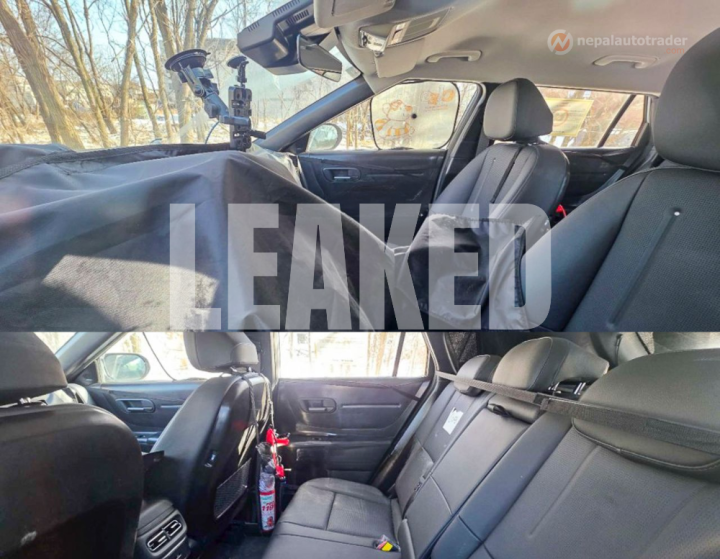
During a routine durability test in South Korea, Hyundai let a few interior photographs slip. The pictures show a cabin that looks less like a budget SUV and more like a compact‑luxury crossover. The dashboard runs the full width of the cabin, creating a horizontal feel that stretches the eye. New door‑handle trims replace the previous chunky knobs; they are slimmer, almost brushed‑metal, and sit flush with the panel. The front‑seat headrest adopts the same sculpted silhouette seen on the latest Kia Seltos, a subtle nod to Hyundai’s sister brand. Rear passengers gain a bit more legroom, a change that could make the Creta more attractive for families. The rear air‑conditioning vent stays in place, ensuring cabin comfort stays consistent. That matters because cabin comfort has become a decisive factor in the sub‑compact SUV battle.
Hyundai’s move signals a shift from pure value to a more premium proposition. In the past, the Creta won buyers with its low price and reliable powertrain. Now the brand is betting that a refined cabin will win over customers who might otherwise reach for the Kia Seltos or the Tata Nexon. The horizontal layout reduces visual clutter and makes the space feel larger – a psychological win in a segment where dimensions are fixed. Updated door‑handles and the sleek headrest give the car a more upscale silhouette without changing the exterior shape. This matters because perception of quality can justify a higher price tag, and it may reshape the Creta’s positioning from “budget SUV” to “affordable premium SUV.”
The sub‑compact SUV segment in Nepal and the broader South Asian market is crowded. Most rivals still sport a vertical dashboard and bulky interior hardware. By adopting a horizontal, premium cabin, Hyundai creates a visual differentiator that can be highlighted in showrooms. The increased rear legroom addresses a common criticism of compact SUVs – limited space for adult passengers. Retaining the rear air‑conditioning vent ensures that comfort isn’t sacrificed for style. If Hyundai can keep the powertrain efficient – the current Creta runs a 1.5‑litre petrol engine with 115 hp – the new interior could tip the scales for buyers weighing price against perceived quality. This change could force rivals to accelerate their own cabin refresh cycles.
Earlier rumors placed the launch at the start of 2027. Recent reports, however, suggest Hyundai is now targeting mid‑2026 for market entry. A shorter lead‑time means the refreshed Creta could appear on Nepali showrooms before the next model year of the Kia Seltos arrives. For early adopters, this creates a narrower window to secure a pre‑launch reservation. Dealerships may also use the interior leak as a marketing hook, emphasizing the premium feel to justify a slightly higher pricing bracket. The shift also implies Hyundai has cleared engineering hurdles sooner than expected, which could translate into a smoother rollout and fewer early‑stage quality issues. That matters for a market where after‑sales service reputation is critical.
If Hyundai delivers on the interior promises, the Creta could reclaim its spot as the segment leader in Nepal. Competitors like the Kia Seltos, which already offers a similarly upscale cabin, will need to respond – perhaps with new tech features or pricing incentives. The Tata Nexon and Mahindra XUV300 may double‑down on value, but they risk being seen as less refined. Dealers will likely position the Creta as the “premium yet affordable” choice, a narrative supported by the interior visuals. Consumer forums are already buzzing, and early sentiment leans toward excitement rather than skepticism. Should Hyundai keep the price gap reasonable, the refreshed Creta could push overall segment prices upward, benefitting manufacturers that have already invested in higher‑grade materials.
Q: When will the new Hyundai Creta be available in Nepal? A: Hyundai is aiming for a mid‑2026 launch in Nepal, with dealer allocations expected to begin a few months later.
Q: Will the powertrain change with the new interior? A: No official powertrain update has been announced; the current 1.5‑litre petrol engine with 115 hp is expected to continue.
Q: How does the rear legroom compare to the current model? A: Early reports suggest a modest increase in rear legroom, enough to make adult passengers more comfortable on longer trips.
Q: Is the price higher than the current Creta? A: Pricing has not been disclosed, but the premium interior cues indicate a likely price bump over the existing model.
Q: How does the new interior compare to the Kia Seltos? A: The front‑seat headrest mirrors the Seltos design, and the overall cabin feels more upscale, though the Seltos still offers a slightly larger overall footprint.
Q: Will existing Creta owners receive any upgrades? A: Hyundai has not announced a retro‑fit program; upgrades are expected to be limited to the new model year.

Nepal Auto-Trader is one-stop platform for all automotive needs. We provide unbiased and unparalleled news/reviews of all auto-motives being launched in Nepalese Auto-Industry. Find recent updates and price of bikes/cars, compare and review recently launched bikes/cars, buy/sell/trade reconditioned cars/bikes and all government news about changing rules and regulation, road safety by subscribing us.

Subscribe to our Newsletter
© Copyright 2026, Nepal Autotrader


.png)
.png)