

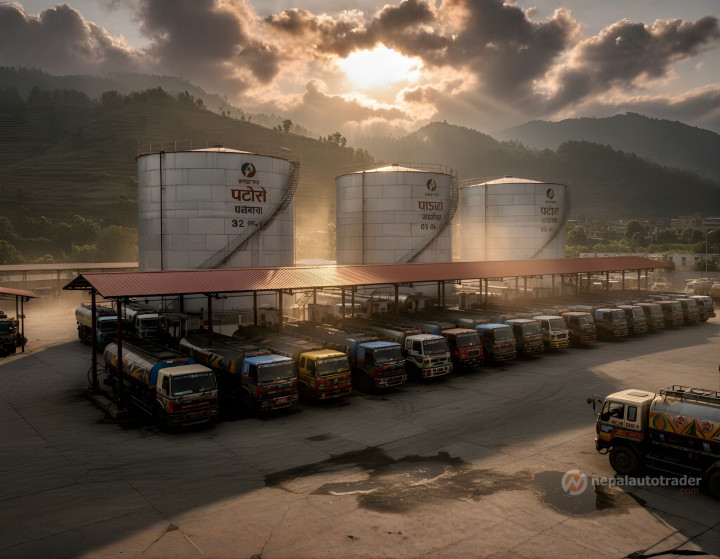
Nepal Oil Corporation (NOC) reduces diesel and kerosene prices by NPR 1 per litre
Petrol and LPG cooking gas remain unchanged
Aviation fuel rates increase for both domestic and international sectors
New prices effective from Saturday morning across all depots
Nepal Oil Corporation has announced a NPR 1 per litre reduction in the prices of diesel and kerosene, effective from Saturday morning. This latest price revision aims to ease consumer pressure as global oil prices fluctuate.
While the cut brings some relief for transporters and industries, the prices of petrol and LPG gas remain steady. NOC’s decision follows a review of international fuel rates and local cost structures.
NOC divides its fuel depots into three categories based on logistics and distance from supply points. Here’s the latest regional pricing after the adjustment:
| Depot Class | Diesel Price (per litre) | Kerosene Price (per litre) |
|---|---|---|
| First Class – Charaali, Biratnagar, Janakpur, Amlekhgunj, Bhairahawa, Nepalgunj, Dhangadhi, Birgunj | NPR 141.50 | NPR 141.50 |
| Second Class – Surkhet, Dang | NPR 143.00 | NPR 143.00 |
| Third Class – Kathmandu, Pokhara, Dipayal | NPR 144.00 | NPR 144.00 |
This classification helps balance distribution costs and ensures price consistency across the country.
While diesel and kerosene prices have dropped, aviation fuel has become more expensive.
Domestic aviation fuel has increased by NPR 1 per litre
International aviation fuel has risen by USD 7 per kilolitre
This rise reflects global market trends and higher refining costs that impact aviation-grade fuel.
NOC has chosen to keep petrol and LPG prices stable, maintaining cost consistency for everyday users. The decision ensures that household and personal vehicle fuel expenses remain unaffected for now.
The unchanged rates are especially significant for urban households already facing high costs for transportation and utilities.
Nepal imports almost all its petroleum products from the Indian Oil Corporation (IOC). As a result, domestic prices depend heavily on global crude oil rates, refining charges, and foreign exchange movements.
NOC adjusts local prices periodically to reduce losses and maintain a steady fuel supply across the country.
The NPR 1 reduction in diesel and kerosene prices may bring minor cost relief to sectors dependent on fuel, including transportation, agriculture, and manufacturing.
For air travellers, the rise in aviation fuel could lead to slight ticket price adjustments. On the positive side, stable petrol and LPG prices help urban consumers manage their monthly budgets without sudden hikes.
Future price adjustments will depend on international oil trends, regional fuel demand, and the exchange rate between the Nepalese rupee and US dollar.
NOC has reiterated its intention to maintain transparent pricing that reflects real market conditions while ensuring uninterrupted fuel supply across Nepal.

Nepal Auto-Trader is one-stop platform for all automotive needs. We provide unbiased and unparalleled news/reviews of all auto-motives being launched in Nepalese Auto-Industry. Find recent updates and price of bikes/cars, compare and review recently launched bikes/cars, buy/sell/trade reconditioned cars/bikes and all government news about changing rules and regulation, road safety by subscribing us.

Subscribe to our Newsletter
© Copyright 2026, Nepal Autotrader


.png)
.png)